
The Art of Team Coaching

Team coaching is about
helping teams see themselves clearly,
understand how they work together,
and take responsibility for
how they show up as a
collective.
“A team is not a problem that needs to be analysed and
solved, but a potential to be unfolded.”
Daniel Meier

When a coach steps into a team, they step into a living system,
one made up of unspoken agreements, loyalties, and dynamics that influence how people relate and perform.
My work helps make those invisible dynamics visible, so the team can consciously choose how to work together more effectively.
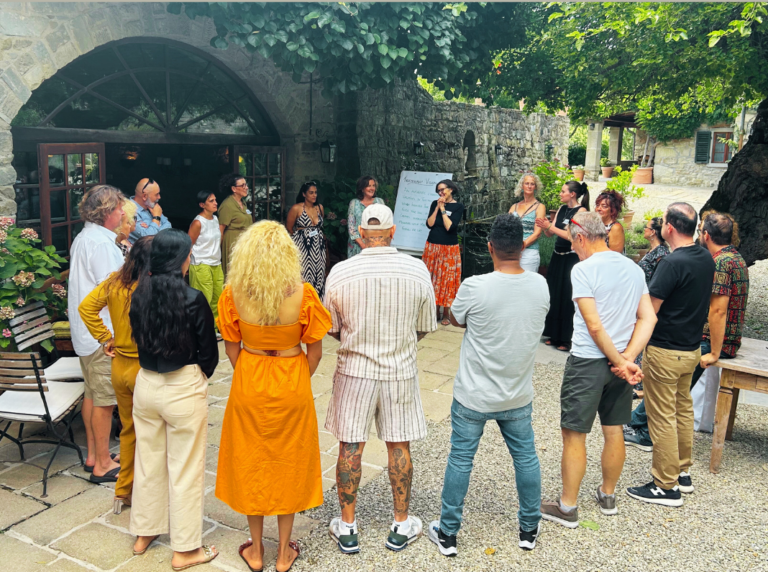

Through structured reflection, constructive challenge, and ongoing partnership,
team coaching helps teams:
Build psychological safety and trust;
Clarify roles and responsibilities;
Strengthen communication and collaboration;
Develop a shared purpose, norms and accountability;
Unlock the team’s full potential over time.
Case Study
Transforming Team Dynamics:
Marc’s Eatery
Marc wanted a team that could talk openly, address issues together, and feel united while maintaining high standards, and a strong sense of care for one another.

Team coaching frequently asked questions
Explore more aspects of team coaching with Yvonne Consulting



Team coaching ethics
(Clauses adapted from the Association for Team Coaching competency framework)
Demonstrate an understanding of and abide by your professional body’s Code of Ethics.
Behave ethically and with the highest integrity with a team and stakeholders in the best interests of the team.
Operate within, and comply with, current legislation and relevant statutory responsibilities as a team coach.
Provide evidence of the keeping of accurate, comprehensive, and understandable records of team
coaching work and cases/sessions ensuring compliance with information legislation and demonstrating
the safe use of sensitive and identifiable personal data.
Communicate the differences between team coaching and other team interventions (e.g., team building
or facilitation) clearly and transparently to a team so it can make informed choices between them.
Practice safely and competently within the scope and boundaries of what is being asked for by, and
offered to a team.
Understand the limits of your own practice including when your own well-being and fitness to practice
might have changed, and refer the team to other suitably qualified practitioners where needed or if this
meets the team’s needs best.
Ready to start a conversation?